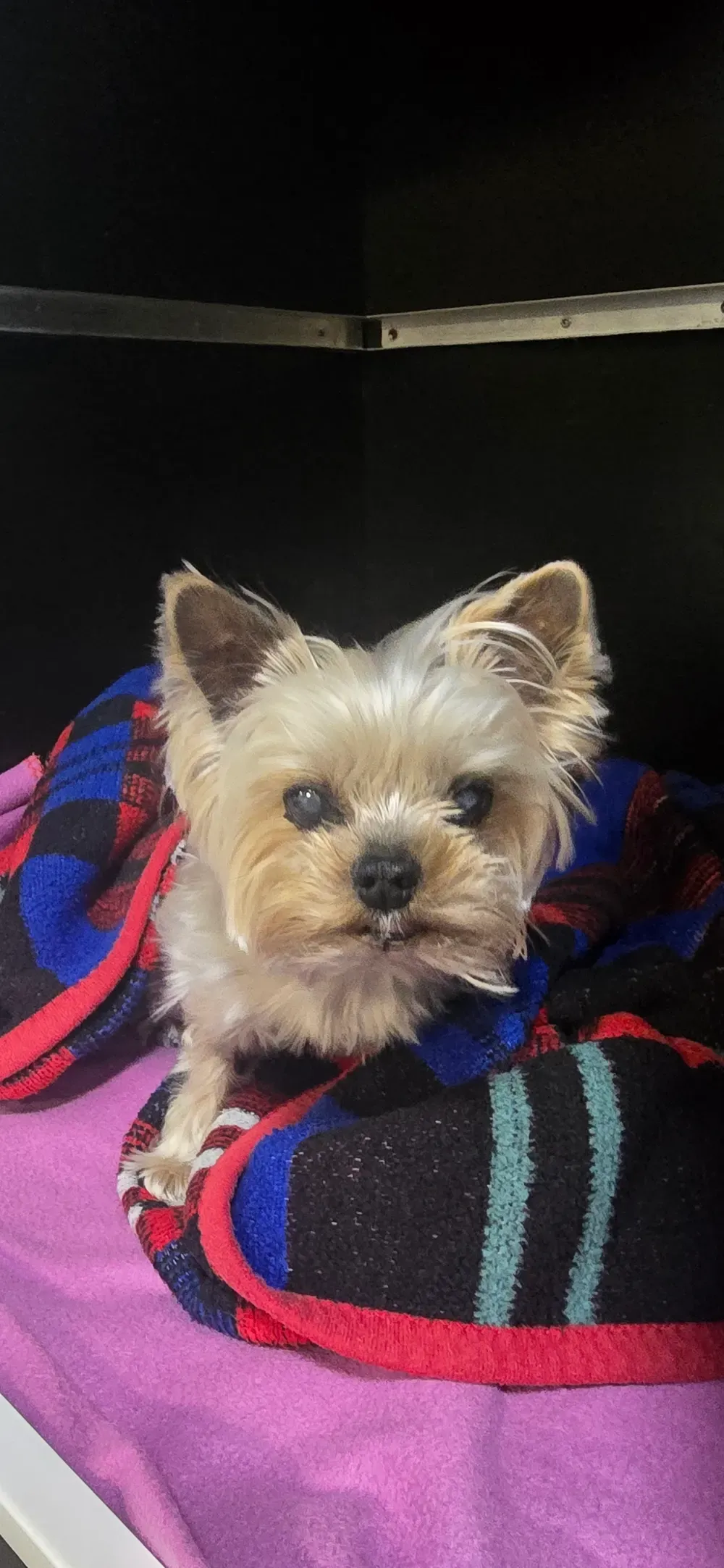
Ageing is not a disease, but it deserves attention
With the years, it’s normal for a dog to move a little more slowly or sleep more. But when the change is noticeable or appears relatively quickly, it’s worth ruling out something treatable behind it, rather than assuming it’s "just old age".
Changes worth mentioning at a check-up
- Difficulty getting up, climbing stairs, or jumping onto the sofa or into the car.
- Weight changes, up or down.
- More thirst or urination than usual.
- Disorientation, behavioural changes or altered sleep patterns.
- New lumps on the skin.
- Changes in appetite or in the way they eat.
How we adapt check-ups
From a certain age onward, we usually recommend more frequent check-ups than in adulthood, to help catch any relevant change earlier.
Day to day
An orthopaedic bed, non-slip rugs, a car ramp, or shorter but regular walks tend to help quite a bit. Keeping routines stable is also useful if some disorientation appears.