Before leaving home
Think about whether anything has changed in recent weeks: appetite, weight, activity level, behaviour or bathroom/litter habits. Write it down — in the consultation, these details help more than you might think.
If your pet takes any medication or supplement, bring it with you or note down the exact name. And if they’re coming from another clinic, any previous report or test result provides useful context.
During the journey and in the waiting room
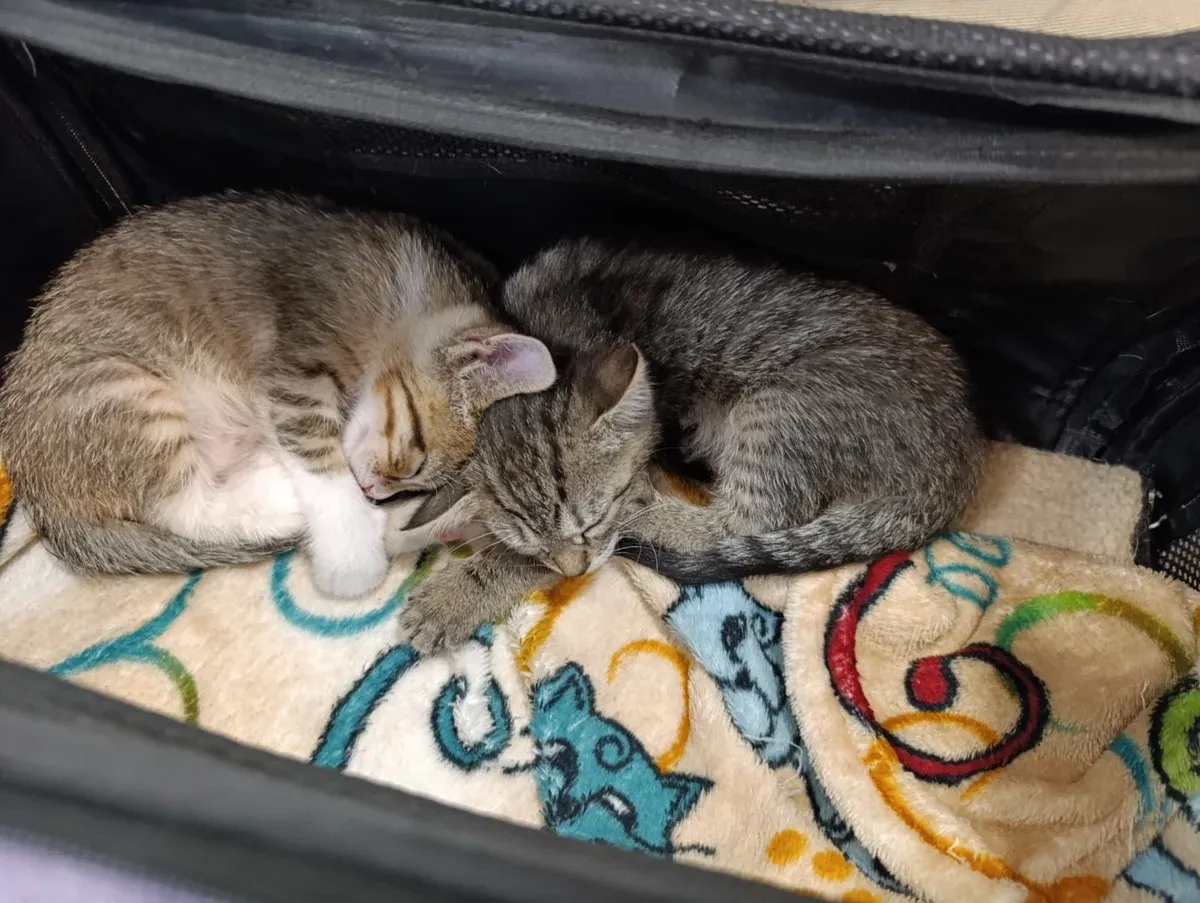
- Dogs travel more safely with a harness and short lead; cats should always stay inside a closed carrier.
- In the waiting room, keep your distance from other animals, especially if your pet is reactive or nervous.
- A treat or their favourite toy can help them associate the wait with something positive.
During the consultation
Tell us what you’ve noticed, even if it seems unimportant: a small change sometimes points towards the diagnosis. Never hesitate to ask about anything you don’t understand in the plan we suggest.
Questions that help the veterinary team
Since when have you noticed it? Has anything changed in their routine (food, walks, environment)? Do they live with other animals? Answering this kind of question calmly, with your notes to hand, makes the consultation more effective for both of you.