Who is most at risk
- Brachycephalic (flat-faced) breeds, such as Bulldogs, Pugs or Persians.
- Older or overweight animals.
- Those with thick or dark coats.
- Animals with pre-existing respiratory or heart conditions.
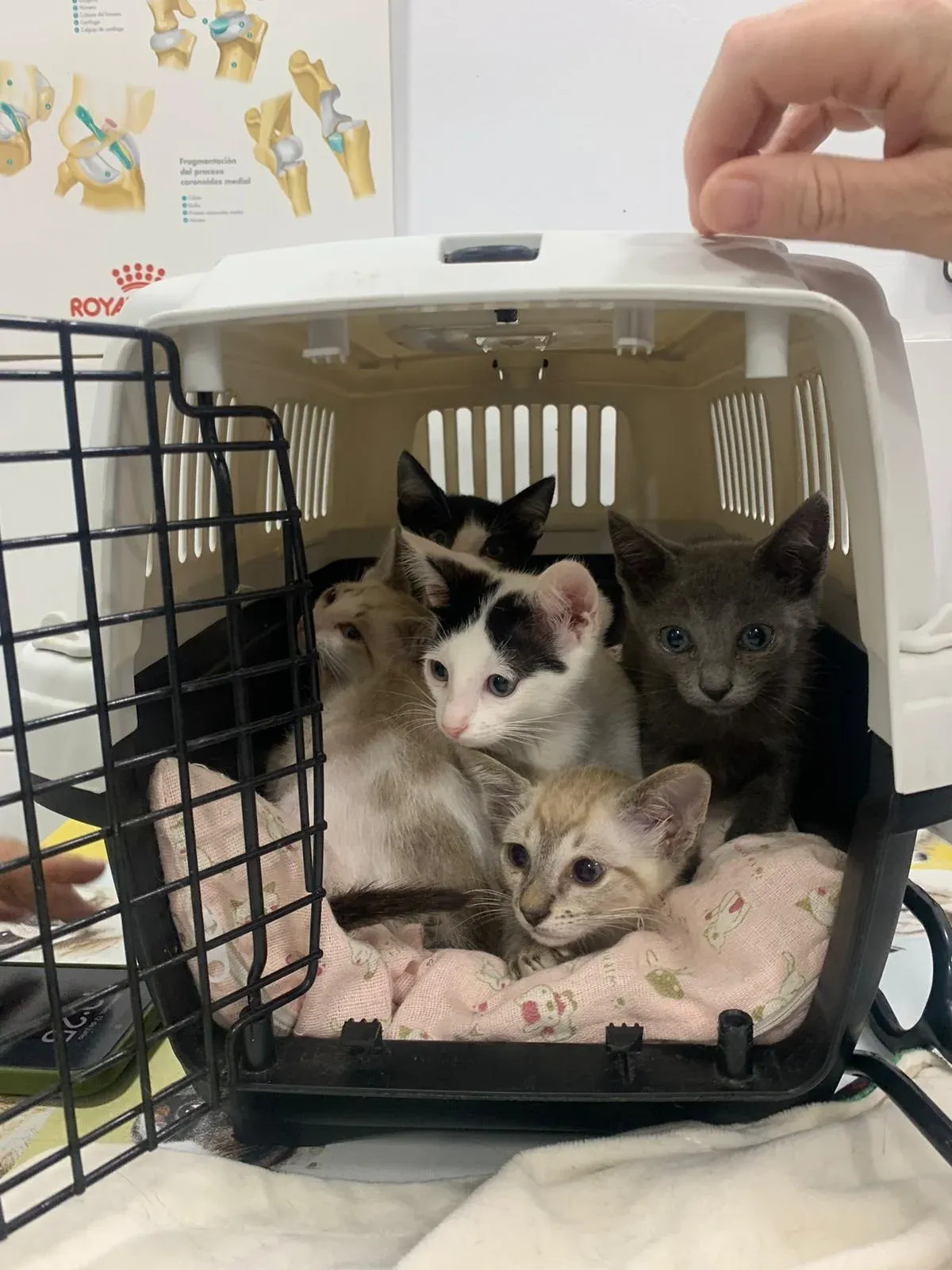
- Puppies and kittens.
Preventing heatstroke
- Never leave the animal inside a car, not even for a few minutes or with the windows slightly open.
- Avoid walks and exercise during the hottest hours; prefer early morning or after dark.
- Always ensure shade and cool water are available, both at home and outdoors.
- Keep indoor spaces well ventilated during heatwaves.
- Adapt physical activity on especially humid days, typical of summer on the Badalona coast.
Warning signs
Very intense, persistent panting, excessive drooling, weakness, vomiting, disorientation or collapse are signs that the animal may be suffering from heatstroke.
What to do
If you notice any of these signs, contact the clinic or an emergency veterinary service straight away — heatstroke can worsen very quickly, and immediate professional care is what makes the difference. Don’t delay seeking help by trying to manage it alone at home.