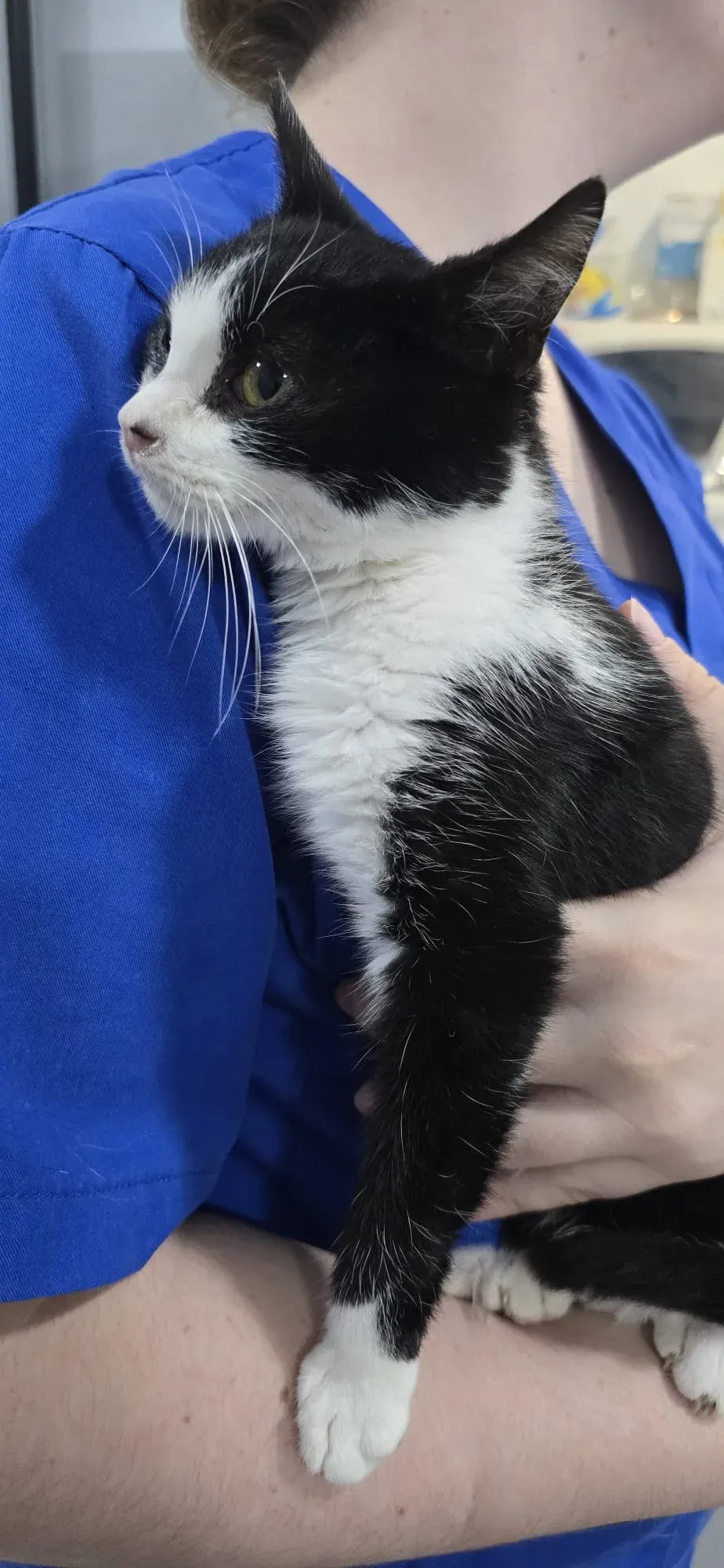
Before the visit
Whether your kitten comes from a rescue, a breeder or you simply found them, any information about their background helps: whether they have already been dewormed, whether they have had contact with other cats, or whether anyone noticed anything unusual.
In the days before, notice how they eat, whether they use the litter tray normally and whether they engage with curiosity in their new surroundings. These are simple observations, but very useful at the visit.
Making the journey calmer
- Leave the carrier out at home a few days beforehand, so it isn’t only "the travel box".
- Place a blanket or item with their scent inside and, if possible, one carrying their littermates’ scent.
- Avoid taking them out of the carrier in the car or the waiting room: it is their refuge during the journey.
- If possible, partly cover the carrier with a cloth to reduce visual stimulation during the trip.
What we check at the visit
The first visit focuses on getting to know the kitten: a general examination, weighing them and assessing their development. From there, we discuss a vaccination, deworming and microchipping plan suited to their particular situation.
After the visit
The first days at home (or those following the visit) are a good time to watch how they eat, use the litter tray and interact. Any change that catches your attention is worth reporting to the clinic, rather than waiting for the next check-up.